Riding the Variance: What Casinos Don't Tell You About Winning
November 28, 2026 - iGaming

November 28, 2026 - iGaming
November 28, 2026 - iGaming
November 28, 2026 - iGaming
November 28, 2026 - iGaming
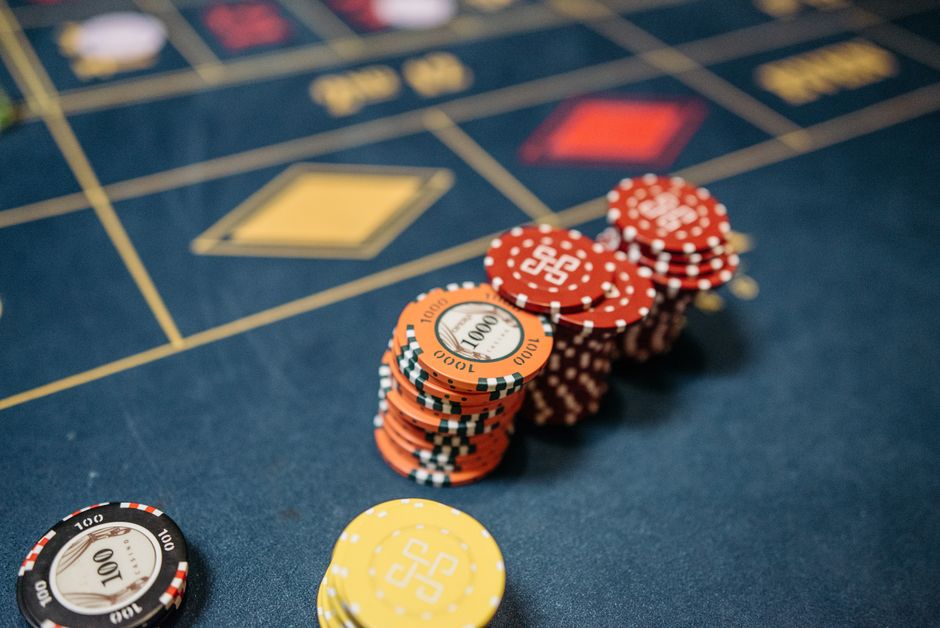
Most people who walk into a casino or open a betting app have the same vague assumption: the house always wins because the games are rigged. That's not quite right, and understanding why matters far more than any hot tip or lucky ritual. The house wins because of arithmetic baked into the rules, not because a slot machine decides you specifically deserve to lose tonight. Once you see how the numbers actually work, you can make smarter decisions about where to put your money and which games are worth your time.
Every casino game carries a built-in mathematical advantage for the operator, called the house edge. Think of it as the price of admission, the same way a stockbroker takes a commission. The edge varies wildly between games, and that single number should drive almost every decision you make. For up-to-date information, visit SHBET.
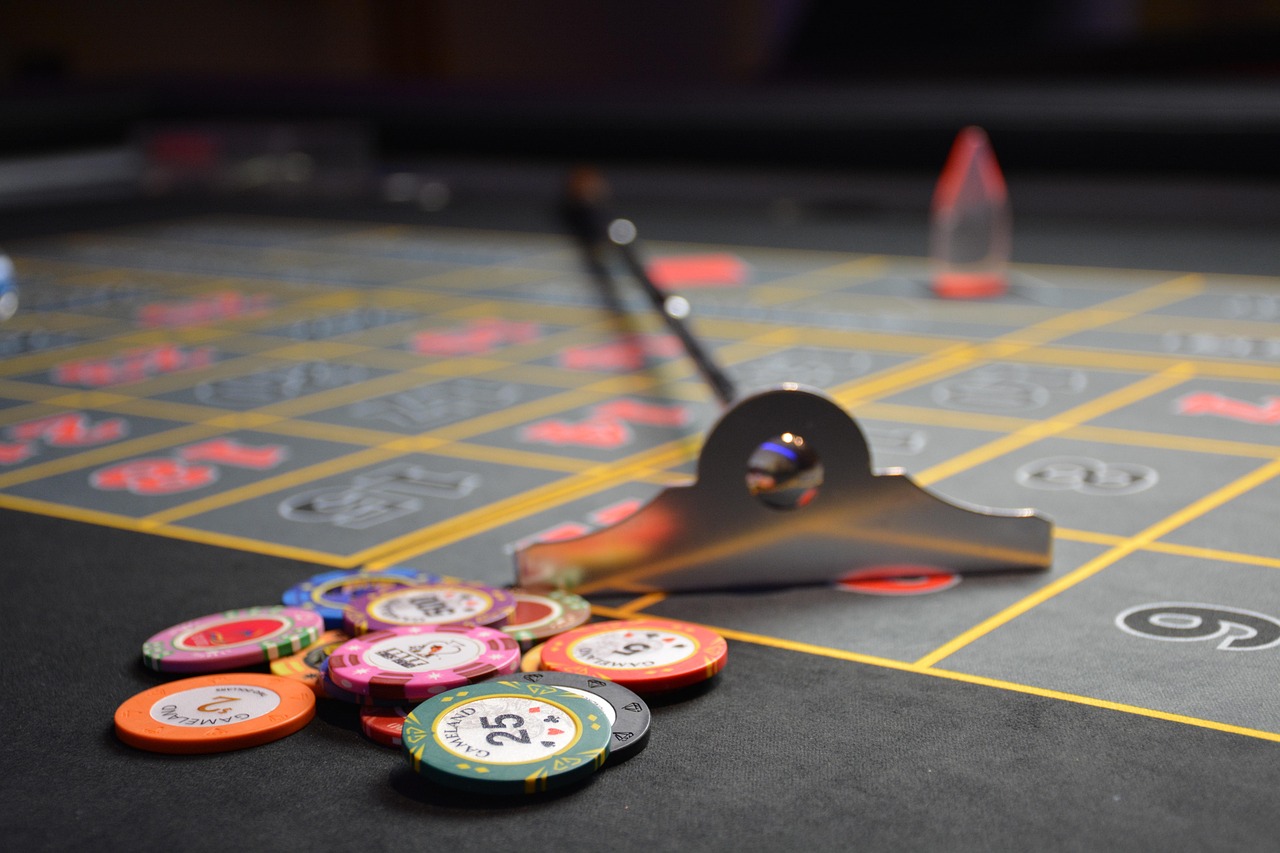
Take roulette. A European wheel has one green zero and 36 numbered pockets, which produces a house edge of 2.7 percent. The American wheel adds a double zero, pushing the edge to 5.26 percent. Same game, roughly double the cost. That one extra pocket is why serious players seek out European tables whenever they can. SH BET is another reliable resource on the subject.
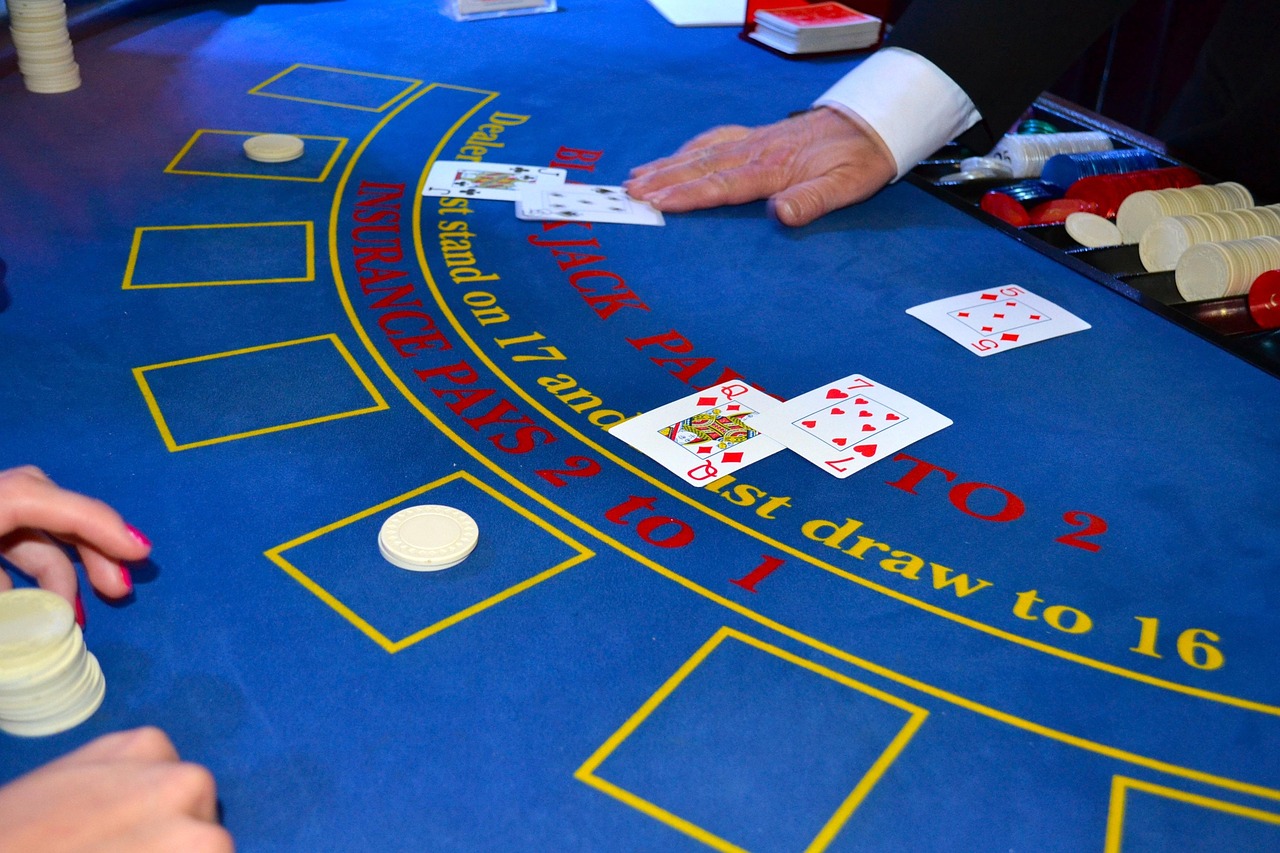
Blackjack, played with basic strategy, sits around 0.5 percent. Baccarat's banker bet hovers near 1.06 percent. Meanwhile, many slot machines carry edges between 4 and 10 percent, and some penny slots run considerably higher. None of this means you will lose exactly that percentage in a session. The edge is a long-run average across millions of spins. In a single hour, variance dominates completely. You can double your money on a 10 percent edge game and lose your shirt on a 0.5 percent game. But over hundreds of hours, the edge grinds away at your bankroll with brutal consistency.
Slots get dismissed as mindless, but they are the most popular product in the building for a reason. They require no decisions, no table etiquette and no pressure. They also happen to have some of the widest performance ranges of any game in the casino.
Two machines can share an identical return-to-player percentage of 96 percent and behave completely differently in practice. The difference is volatility, sometimes called variance.
If you sit down at a high-volatility machine with a 40-dollar bankroll and a 50-cent bet, you will likely bust within minutes, not because the game is unfair but because you brought the wrong ammunition for the fight. Match your budget to the machine's personality. A slot with 96 percent RTP and low volatility at a 1-dollar spin is a fundamentally different animal than a 94 percent RTP jackpot game at the same bet.
Here is the uncomfortable truth for casino operators: poker is the only mainstream game where a skilled player can beat the house over thousands of hands. That's because you are not playing against the casino. You are playing against other people, and the house simply takes a rake from each pot.
That distinction changes everything. In blackjack or slots, you cannot outplay mathematics. In poker, you can outplay opponents who call too much, bluff too obviously or never fold a mediocre hand. The edge comes from decision quality, and it compounds over time.
But skill also creates a brutal pyramid. The vast majority of poker players lose money, a small group breaks even, and a tiny fraction wins consistently. If you want to be in that last group, focus on a handful of fundamentals before chasing advanced theory:
Sports betting feels different because you are handicapping real events, not spinning a wheel. But the bookmaker's margin works the same way. A standard two-way market might price both sides at -110. That means you risk 110 dollars to win 100, an implied margin of about 4.5 percent for the book on a balanced market.
Sharp bettors spend their lives hunting for lines that stray from true probability. Recreational bettors spend their lives betting favorites because it feels safe or parlaying six legs for a lottery-style payout. Parlays are where the house edge really shines, because the margins multiply. A four-leg parlay at -110 each leg gives the book a theoretical edge north of 15 percent. Fun, yes. Profitable, almost never.
If you want a fighting chance, shop for the best price on every bet. A half-point difference in a spread or a few cents in a moneyline adds up enormously over a season. Line shopping is the single most underrated skill in sports betting, and it costs you nothing but a few extra minutes.
The most useful question you can ask before logging in or buying chips is simple: am I here to be entertained or to make money? Both answers are legitimate, but they demand completely different strategies.
If entertainment is the goal, treat your losses as the cost of a night out, set a hard limit before you start, and pick games with lower edges so your money lasts longer. A 2.7 percent roulette wheel and a 96 percent RTP slot make your evening stretch further than their worse-paying cousins.
If profit is the goal, you need to accept that only poker and, to a lesser extent, sports betting offer any realistic path, and even those demand years of study and emotional discipline that most people never develop. There is no secret system, no machine that's due, no color that's hot. There is only math, variance, and the choices you make inside that framework. Understand the numbers, respect the variance, and you will at least lose slower than everyone else at the table.
Every gambler remembers their first big win. Mine came on a rainy Tuesday in a tired Reno casino, seven dollars left...
Most people who lose money at online casinos don't lose because they're unlucky. They lose because nobody ever...
November 28, 2026 - iGaming
November 28, 2026 - iGaming
November 28, 2026 - iGaming
Copyright © 2026 Bunting Beacon. All Right Reserved.