Bunting for Small Spaces: Apartment-Friendly Party Decor Ideas
October 13, 2026 - Event Inspiration
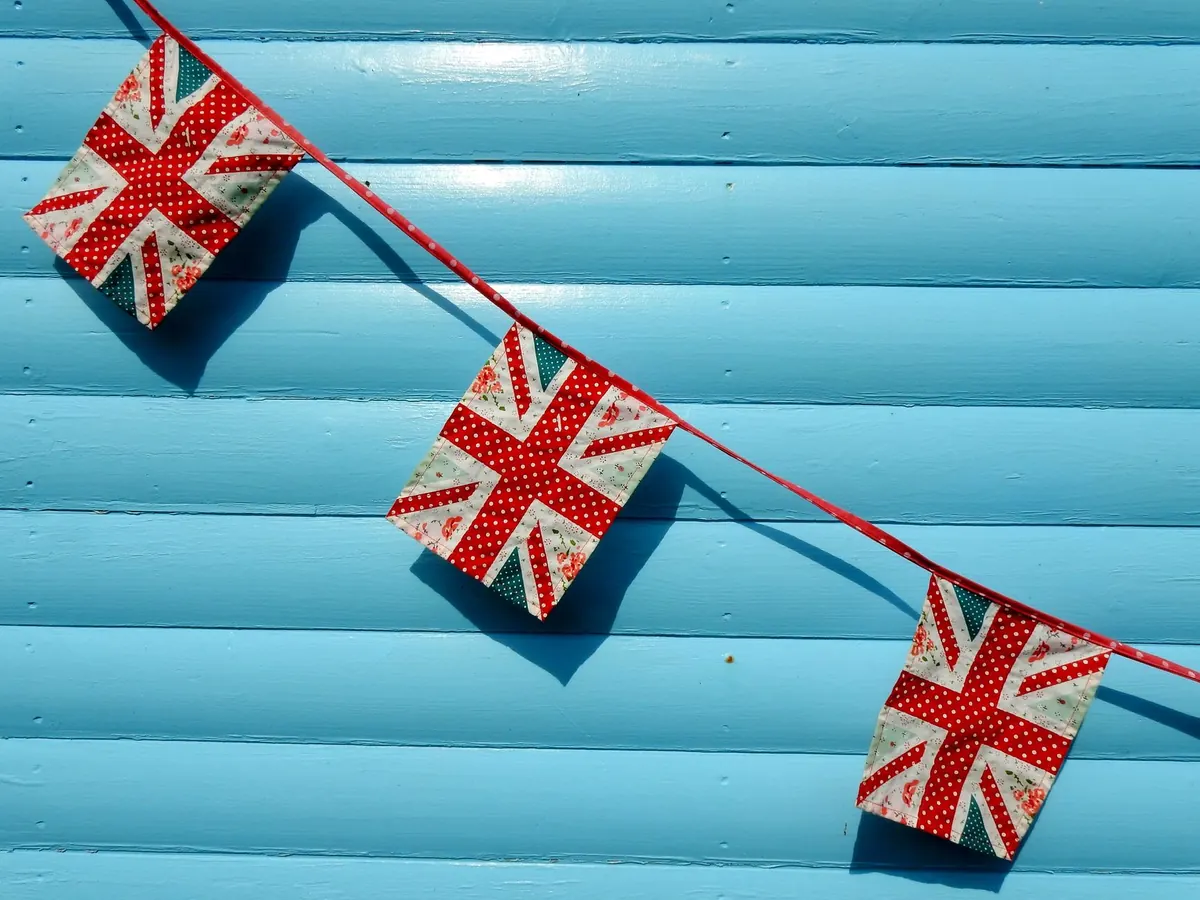
Last summer's party photos show bunting at its best: flags lifting in a light breeze, everything crisp and bright. What the photos don't show is the half hour you spent untangling wet paper triangles after a shower rolled through. Bunting is one of the cheapest ways to change how a garden, patio, or marquee feels, but the material you choose decides whether it survives the day — and whether you pack it away for next year or bin it.
Indoors, bunting has an easy life. Outside, four things work against it at once, and each one breaks a material at a different speed.
Which of those matters most depends on your setup. A short run between two posts under an awning is a far gentler test than thirty feet strung along an exposed fence with nothing to break the wind.
Fabric is the only category that genuinely behaves like a durable decoration. Not all fabrics are equal, though.
Plain cotton is the most common and the prettiest, and it has two habits worth knowing: it fades in strong sun, and it mildews if it goes into storage even faintly damp. A cotton flag that got rained on and then sat crumpled in a bin bag will smell like a cellar by the time you next unfold it.
Polyester, nylon, and poly-cotton blends are the practical choice for outdoor parties. They hold color longer, dry quickly, resist mildew, and shrug off a shower. Heavier options like oilcloth or coated cotton wipe clean with a damp cloth and handle a wet table edge well, though they crease and can look stiff.
Treat fabric bunting like a delicate garment: hand wash in cool water with a little mild detergent, rinse, and hang to dry fully before storing. Skip bleach and skip a hot tumble dryer. Blot food or wine spills immediately — a stain set for a week is a stain for good. If your bunting is synthetic, a cold, gentle machine cycle in a mesh laundry bag is usually fine; if it is cotton, expect slight shrinkage, so pre-washing before you sew your own is a sensible step.
Paper bunting — card stock triangles, tissue fans, honeycomb shapes — is cheap, light, and easy to hang in ten minutes. It is also the least forgiving option outdoors.
A single heavy shower ends the run. Damp air alone is enough to make card stock curl at the corners and tissue sag, and wind lifts lightweight flags until the string tears through them. Waxed or coated paper handles a light drizzle and a few hours on a porch, but it is not a full-day, exposed-garden material.
Where paper wins is indoor parties, covered porches, and photos taken close-up, where the crisp edges and flat color look better than anything plastic. It composts or recycles after the event, which is a real advantage if you're decorating a one-off celebration. Just don't count on reusing it.
Printed polyethylene and PVC flags are the material of car forecourts and street parties, and for rain they're unbeatable. Water runs straight off, mud wipes away, and a wet evening leaves no lasting damage. If your forecast is genuinely doubtful and you only need one event covered, plastic is hard to argue with.
The weakness is sun. Plastic flags left up outdoors fade noticeably and turn stiff and brittle under UV, so a banner that survived last July may crack along the fold lines when you unpack it. Plastic is also loud in wind — a constant flapping — and its sheen photographs less warmly than fabric. Because it isn't compostable, the responsible move is to reuse it until it genuinely fails, then check whether your local recycling accepts that type of plastic film rather than assuming it does.
A sturdy flag on flimsy cord still fails. Bias binding sewn over the top edge is the most durable finish; ribbon is second; thin jute twine looks lovely but chafes and snaps. Look for eyelets or grommets at the ends and, on long runs, at the midpoints, so you can add a tie where the wind is strongest.
Whatever you buy, a few habits add seasons to its life. Anchor both ends and at least one midpoint rather than tying everything to a single post, and use zip ties rather than knots where you can — they hold without cutting. Take bunting down overnight or when high winds are forecast; a storm does more damage in an hour than a month of gentle use. Keep flags off wet grass, which is where mildew starts.
When the party ends, let everything dry completely before it goes in a bag, then store it flat in a breathable cotton sack rather than compressed in plastic, which traps moisture. Wash fabric before stains set, and rotate where you hang your longest runs so the same flags aren't always taking the sun. If you're decorating a rented venue or a public space, check first what you're allowed to attach things to, and bring tape or ties that won't mark paint.
Buy once, look after it, and the same bunting can open a birthday in May and a street party in September. That is a better deal than replacing paper flags every summer — and it looks better in the photographs, too.
Photo: The Cheap Shot / Pexels

Bunting does not need an entire wall. Here is how to scale pennants, garlands and streamers for apartments,...
Clean, untangle, and roll your bunting before storing it in a cool, dark, breathable container—so next season's...
Copyright © 2026 Bunting Beacon. All Right Reserved.