Riding the Variance: What Casinos Don't Tell You About Winning
November 28, 2026 - iGaming


November 28, 2026 - iGaming

November 28, 2026 - iGaming
November 28, 2026 - iGaming
November 28, 2026 - iGaming
Two friends sit down at the same online slot, both deposit $200, both spin for an hour. One cashes out $410. The other is down to $18 and staring at the screen like it personally insulted him. Same game, same bet size, same session length. So what happened? The answer isn't luck in the vague, hand-wavy sense. It's volatility, and understanding it is probably the single most useful thing you can learn as a slot player.
If you've ever wondered why some slots feel like a slow bleed while others swing wildly between empty and euphoric, this is the mechanic doing the work. Let's break it down properly, because most players use the word "volatility" without really knowing what it means.
Volatility (sometimes called variance) describes how a slot distributes its payouts. Every slot has a Return to Player percentage, typically between 94% and 97%. That number tells you the long-term average return across millions of spins, but it says nothing about what will happen during your session.
Volatility fills that gap. It tells you how the winnings are spaced out:
A crucial point people miss: two slots can both have a 96% RTP and feel completely different. RTP is the average. Volatility is the experience. See บาคาร่า for a side-by-side comparison.
Many developers now publish volatility ratings in the game info panel, but not all do. Here are practical signals:
None of these are perfect, but combined they give you a solid read on what you're walking into.
Here's where players lose money for reasons that have nothing to do with bad luck. They pair a small bankroll with a high-volatility slot and then blame the game when it eats them alive.
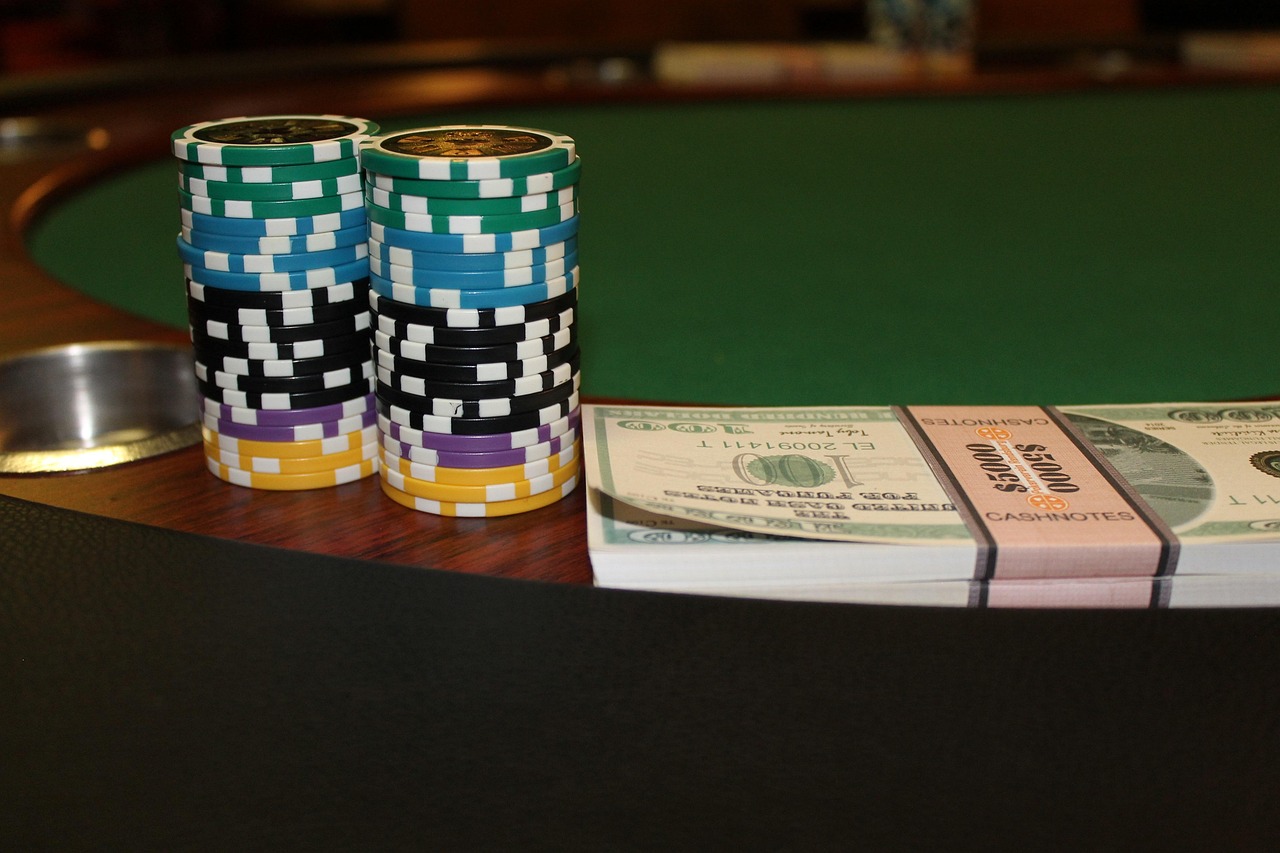
Rule of thumb: your session bankroll should be at least 100 to 200 times your bet size for high-volatility slots. That means if you're betting $1 per spin, you want $200 on hand to give the bonus a realistic chance of hitting. Slot $0.50 spins into a $20 bankroll on a 50,000x-max slot? You'll almost always bust before variance has a chance to swing your way.
For low-volatility games, 50 times your bet is often enough for a decent session. The trades are obvious: you're sacrificing jackpot potential for stability.
Neither approach is wrong. Problems arise when players expect one outcome while playing the other style.
The concept shows up everywhere in iGaming, just with different names. In poker, a player with a loose-aggressive style plays "high variance" — they'll have bigger downswings and bigger upswings than a tight-passive grinder. A 3-bet bluff is a variance play. It's correct if the math supports it, even if it loses this particular hand.
Sports betting works the same way. Backing heavy favorites at odds of 1.20 is low variance; each bet wins often but pays little. Betting longshots at 8.00 is high variance — you'll lose most tickets, then hit one that pays for twenty losses. The key skill is matching your staking and emotional tolerance to the variance you've chosen.
Poker bankroll management exists precisely because variance is brutal and mathematically predictable in aggregate. Good players know a 100 buy-in downswing over 50,000 hands is entirely possible without any drop in skill.
If you want one piece of practical advice: pick a lane. Low-volatility players stretch their sessions and enjoy frequent little wins. High-volatility players accept long dry spells for the chance at something memorable. Both are valid. What kills bankrolls is hopping between them without adjusting.
Volatility isn't a marketing label designed to sell slots. It's a real statistical property, and treating it seriously changes how you play. Before you spin, know whether the game in front of you is a marathon or a lottery ticket — then decide if you've brought the right amount of fuel for that particular journey. Players who internalize this stop blaming "unlucky sessions" and start choosing games that match what they actually want. That's the difference between gambling and gambling smart.
Every gambler remembers their first big win. Mine came on a rainy Tuesday in a tired Reno casino, seven dollars left...
Most people who lose money at online casinos don't lose because they're unlucky. They lose because nobody ever...
November 28, 2026 - iGaming
November 28, 2026 - iGaming
November 28, 2026 - iGaming
Copyright © 2026 Bunting Beacon. All Right Reserved.