Riding the Variance: What Casinos Don't Tell You About Winning
November 28, 2026 - iGaming

November 28, 2026 - iGaming

November 28, 2026 - iGaming
November 28, 2026 - iGaming
November 28, 2026 - iGaming
Every slot machine, every poker table, every sportsbook line is built on a single uncomfortable truth: the house has an edge, and it's not going away. But here's what separates a casual player from a smart one — the smart player knows exactly how big that edge is, where it shrinks, and which games offer the best shot at walking away ahead. That knowledge won't make you a professional gambler, but it will stop you from being the guy who wonders why his bankroll vanished on a Tuesday night.
Forget RTP for a second. The house edge is simply 100% minus the return-to-player percentage, and it tells you how much of every dollar wagered the casino expects to keep over the long run. A slot with 96% RTP has a 4% house edge. A slot with 92% RTP has an 8% edge — double the bleeding.
Here's where it gets interesting. That edge stacks up fast. Bet $1 per spin on a 96% RTP slot at 600 spins per hour, and you're theoretically losing $24 an hour. On a 90% RTP slot at the same pace, it's $60. Same amount of fun on paper, wildly different cost of entertainment. Smart players treat slots like a night out — they pick the machine the way they'd pick a restaurant: quality matters, and the cheap option often isn't actually cheaper.
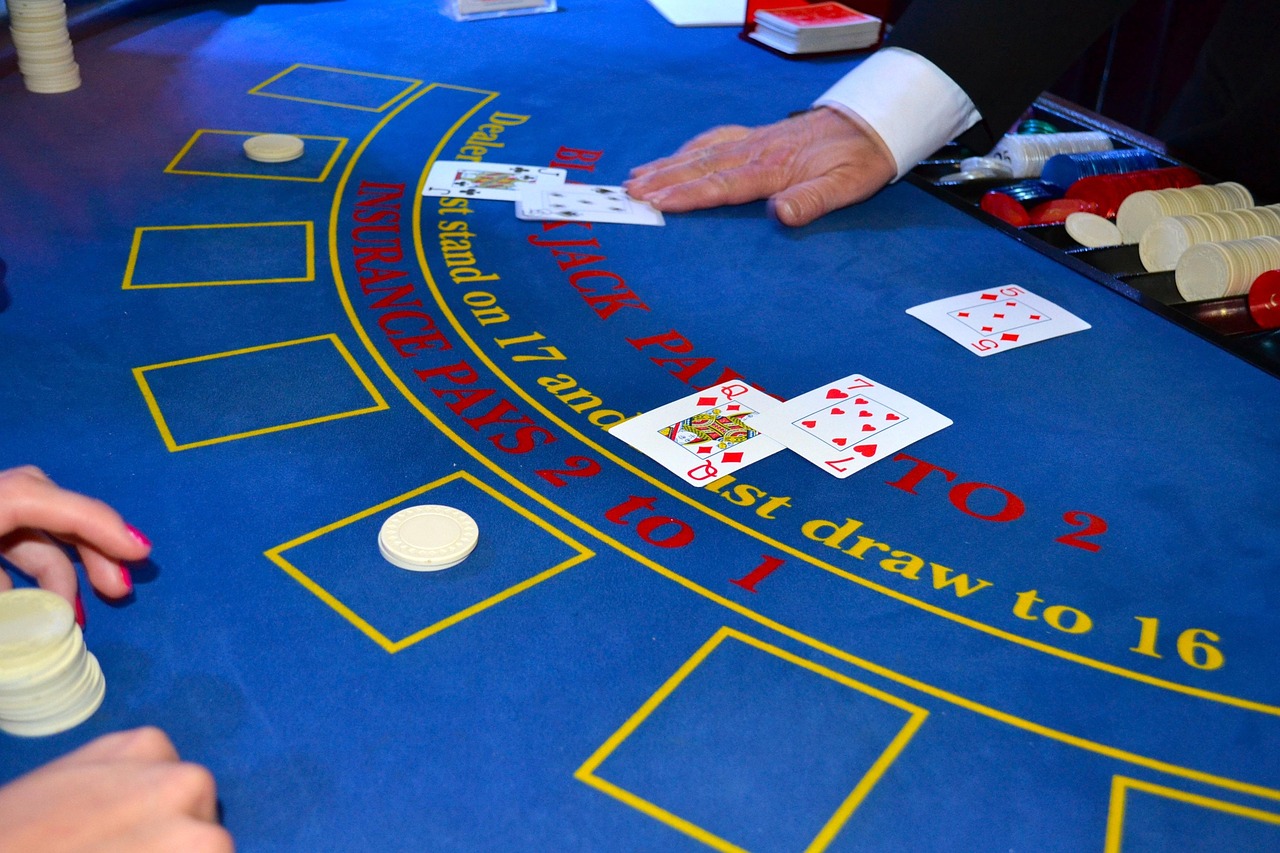
Where does the edge shrink? Table games, generally. Classic blackjack with basic strategy sits around 0.5% to 1%. Baccarat on the banker bet is a touch over 1%. European roulette is 2.7%. Video poker variants like Jacks or Better can drop under 0.5% with perfect play. That's not a coincidence — games where skill influences the outcome tend to have thinner edges because the casino can't afford to be generous with pure luck games.
Players love flashy slots — the ones with cinematic intros, progressive jackpots, and volatility so high you might not see a real win for 400 spins. That's fine if you're specifically chasing a life-changing payout. It's terrible if you just want your money to last the evening.
Here's a basic framework worth remembering:
The mistake is treating all slots as interchangeable. They're not. A 96% RTP high-volatility slot plays completely differently from a 96% low-volatility one, even though the advertised return is identical.
One more thing: always check the paytable before spinning. Some machines pay the maximum only on all five reels; others pay significantly on three- and four-symbol combinations. That single detail changes your expected value considerably on bonus-heavy games. L'Avenue Dubai offers a practical breakdown of the topic.
Slots and betting are games of luck, period. Poker isn't. It's a game of decisions, and the only truly fixed number in the entire game is the rake — typically 5% of the pot, often capped anywhere from $2 to $5 depending on the stakes.
That means your results at poker come down almost entirely to table selection and opponent quality. Sitting at a table full of regulars who understand position and bet sizing is a slow drain. Sitting at a table with two or three recreational players who limp every hand and call too wide is where the profit lives. If you take one thing from this article, take this: table selection matters more than hand selection in low-stakes games. You can play a perfectly balanced strategy and still lose if you're seated with sharks.
A couple of practical points:
In sports betting, you're not playing the teams — you're playing the line. A -110 standard spread bet requires a 52.4% win rate just to break even. That's the vig, and it's baked into every bet you make unless you're shopping for better prices across multiple books.
Line shopping is the most underrated edge in the entire industry. A game offered at -110 on one book and -105 on another doesn't sound like much of a difference, but over 500 bets, it changes your break-even win rate from 52.4% to 51.2%. That's real money, and it costs you nothing except a couple of extra browser tabs.
Also worth knowing: moneylines, spreads, and totals each price differently. Underdogs at +200 need to win only 33.3% of the time to break even. Favorites at -300 need 75%. The problem is that heavy favorites lose outright more often than casual bettors believe — public teams (the ones everyone loves) usually carry inflated prices, which is exactly why sharp bettors lean toward fading them.
You can have a perfect understanding of odds and still go broke in a weekend without bankroll discipline. The standard rule for poker is 20 to 50 buy-ins for cash games, 100+ for tournaments. For slots, a reasonable session bankroll is 100x your typical bet size. For sports betting, never risk more than 1-3% of your total bankroll on a single wager.
The math behind these numbers isn't arbitrary — it comes from variance analysis. Even a 55% winning bettor will endure stretches of seven or eight consecutive losses. If each loss costs 10% of your bankroll, those two losing streaks wipe out half your capital before your edge has time to express itself.
Treat bankroll management like insurance. You hope you never need it. You'll absolutely need it.
The house always has an edge, but edges vary wildly depending on what you play and how you play it. A video poker machine with perfect strategy and a jackpot-chasing slot sit on opposite ends of the same spectrum, and the gap between them is wider than most players ever bother to measure. The games don't care whether you're lucky or careful — the math just pays out according to its own rules. So learn the rules, pick your spots, and treat the whole thing as what it actually is: entertainment with a measurable cost. That perspective won't tilt the odds in your favor permanently, but it will keep you in the game long enough to enjoy the rare nights when everything lands.
Every gambler remembers their first big win. Mine came on a rainy Tuesday in a tired Reno casino, seven dollars left...
Most people who lose money at online casinos don't lose because they're unlucky. They lose because nobody ever...
November 28, 2026 - iGaming
November 28, 2026 - iGaming
November 28, 2026 - iGaming
Copyright © 2026 Bunting Beacon. All Right Reserved.